




The Challenge
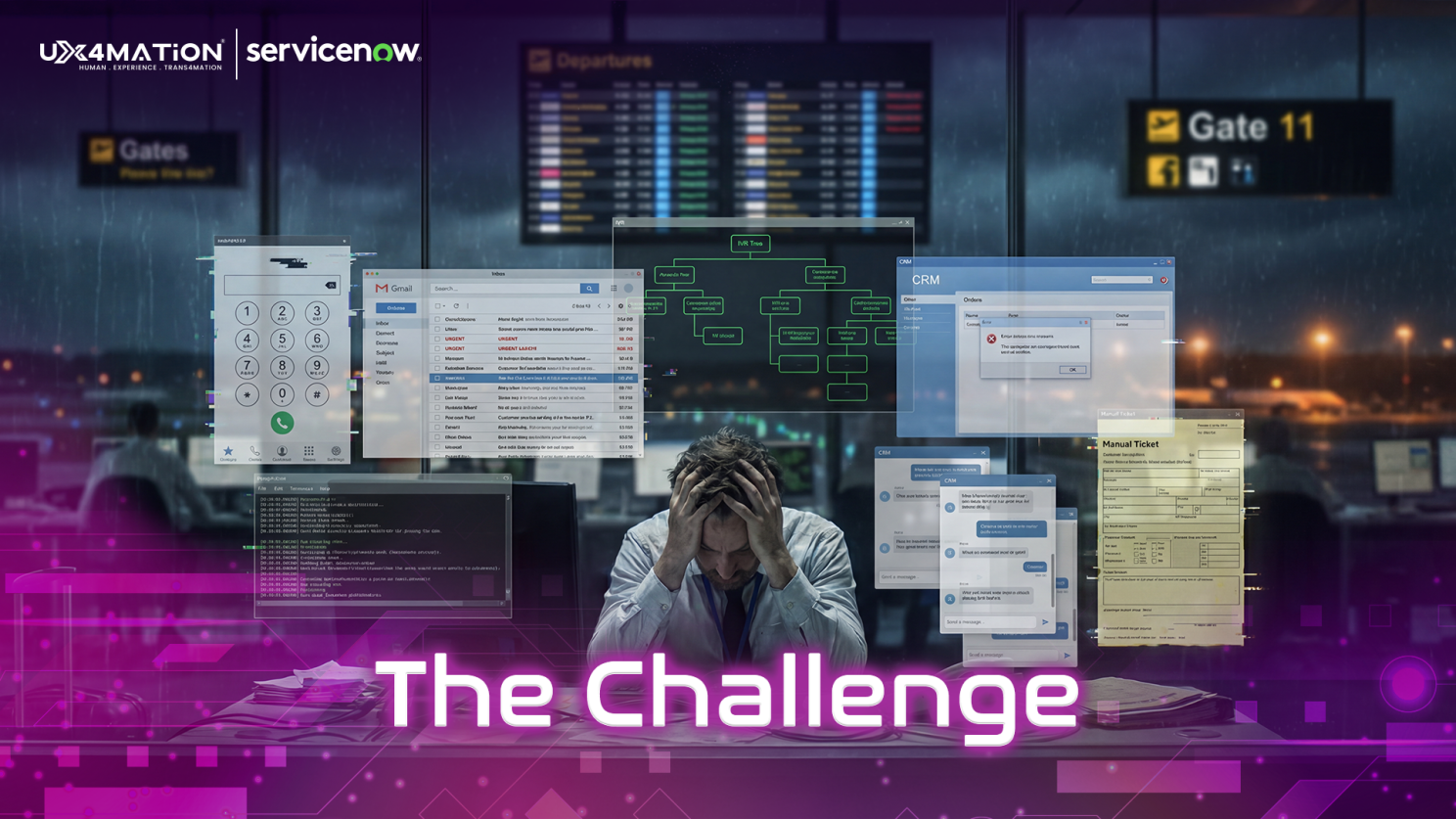
A large transportation company operating two major airports faced the kind of complexity typical of enterprise-scale service operations. Customer-facing departments such as parking, security, retail/food services and flight coordination were all using separate systems and phone lines, leading to:
- disconnected platforms and fragmented call handling,
- rigid, hard-to-change IVR systems,
- manual ticketing and inconsistent case tracking,
- limited automation and poor self-service, which made high-volume customer requests hard to manage efficiently.
As a result, agents often lacked full customer context, call resolution was slower because of juggling multiple systems, and leadership struggled to get a unified view of service performance across departments.
The Solution
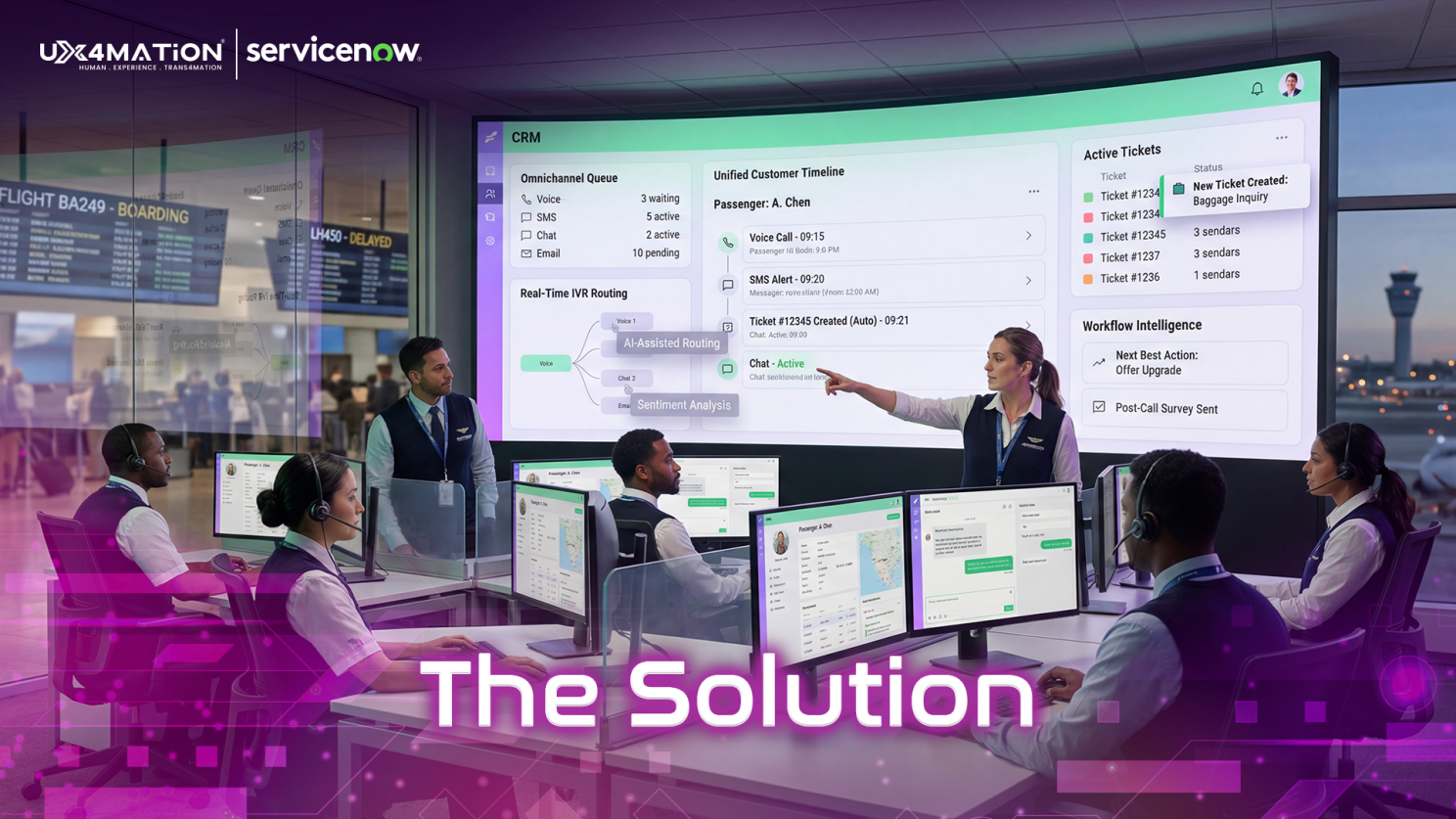
The organization partnered with a cloud-based, AI-powered contact-center solution integrated directly into its existing CRM platform. The integration delivered a unified service desk across voice, SMS, and ticketing workflows all accessible via a single
Key elements of the solution included:
- A single omnichannel contact center to centralize all incoming customer inquiries and streamline routing.
- Real-time IVR management, allowing the company to quickly adapt to changing conditions (e.g. full parking lots) without external support.
- Automated ticket creation for calls, standardizing tracking across voice, email, and chat channels.
- Proactive SMS alerts and post-call surveys, enabling timely follow-up and customer feedback.
- Unified, real-time reporting dashboards giving stakeholders clear visibility into performance and customer interactions.
The Results
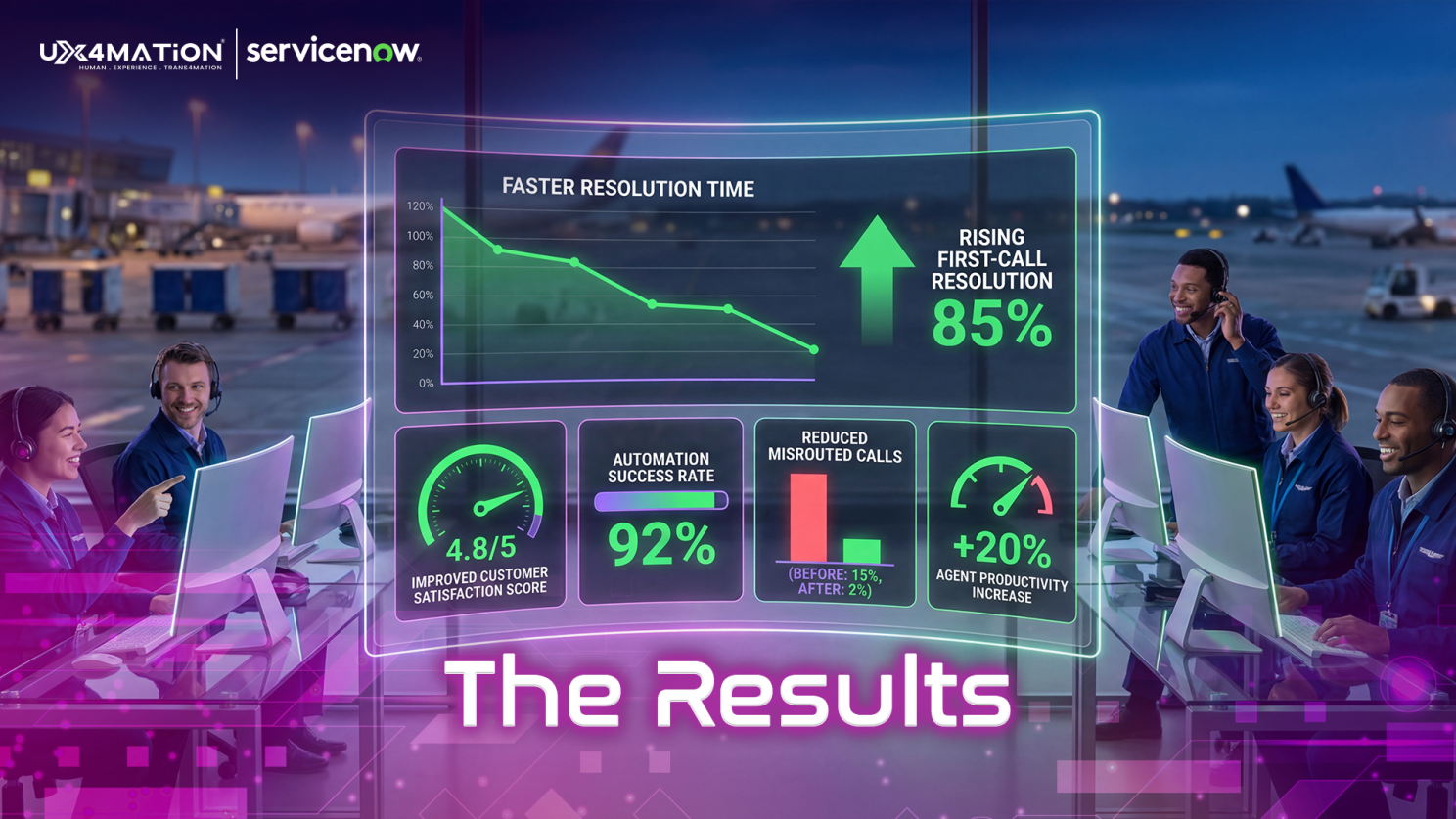
Following the rollout of the unified platform, the company saw significant improvements across operational and customer experience metrics:
- Faster resolution times thanks to agents having instant access to relevant customer data.
- Higher first-call resolution rates and fewer misrouted calls.
- Improved customer satisfaction due to more proactive communication.
- Boosted agent productivity by drastically reducing manual tasks and eliminating the need to switch between systems.
- Real-time actionable insights via centralized dashboards enabling more agile decisions and reducing silos across departments.
- Greater business agility by allowing IVR and voice workflows to be updated in real time based on evolving operational needs.
Why This Matters (and What You Can Learn)
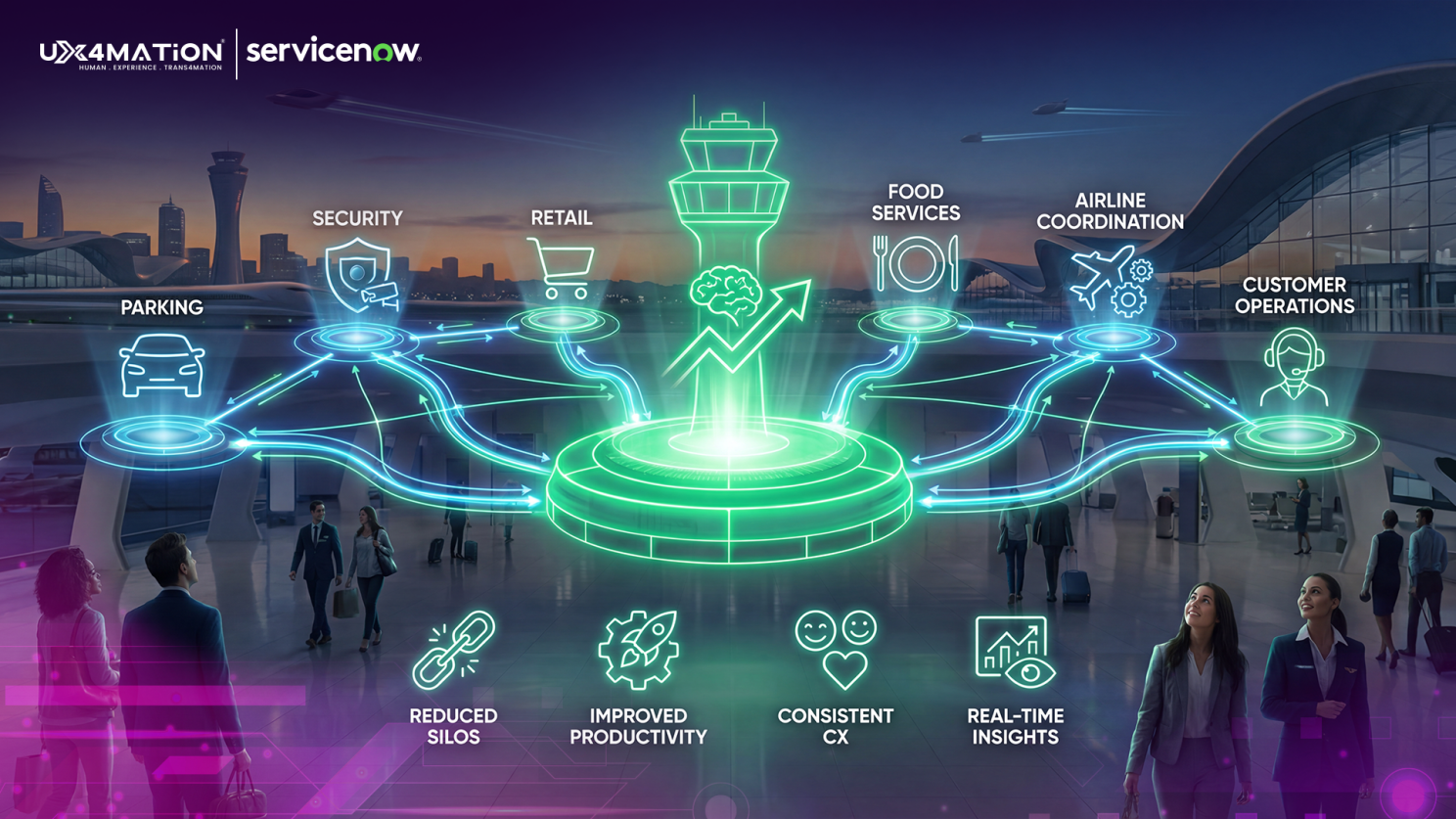
This case shows how critical it is for large, complex organizations to move beyond fragmented legacy support systems and adopt unified, AI-powered platforms. By consolidating voice, ticketing, and CRM into a single system, organizations can:
- break down departmental silos,
- deliver a seamless, consistent customer experience across all touchpoints,
- dramatically improve service efficiency and agent productivity,
- gain full visibility into performance metrics and customer journeys;
- and stay agile in fast-moving operational contexts.
If your organization struggles with similar issues disconnected tools, inefficient workflows, or fragmented customer support this integrated approach could be a powerful lever for transformation.